Why Power Backup Systems Are Essential: Preventing Business Disruption and Data Loss
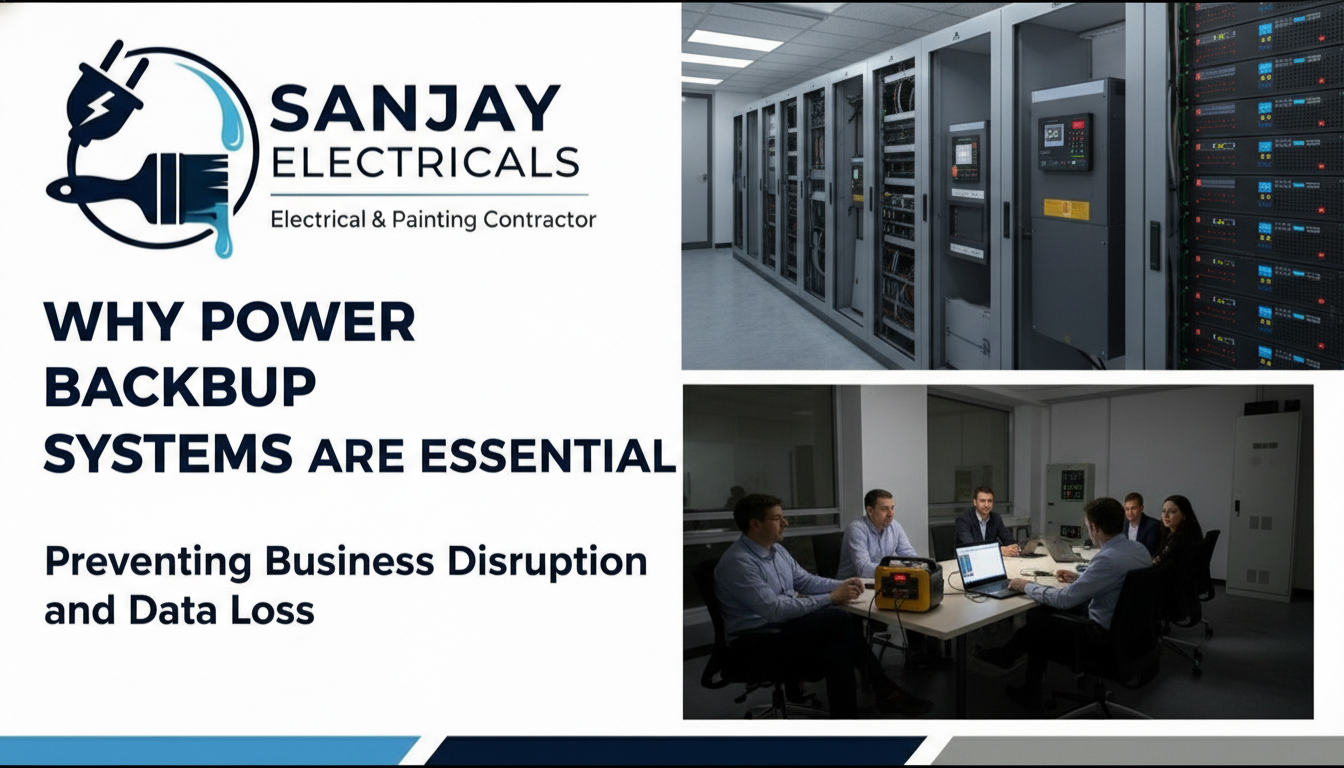
Why Power Backup Systems Are Essential
Introduction
Power outages don't just cause inconvenience—they can shut down your entire business, destroy data, stop production, and cost you crores in lost revenue. Power backup systems aren't optional equipment; they're essential business continuity infrastructure. Here's why they're absolutely necessary.
The Devastating Cost of Power Outages
1. Lost Revenue from Business Interruption Every minute of downtime costs money:
- Production Loss: Manufacturing units lose lakhs per hour of downtime
- Lost Sales: Retail and commercial businesses lose customers
- Service Interruption: Service businesses can't operate without power
- Customer Loss: Customers go to competitors during outages
Real Impact: A manufacturing unit in Phaltan lost ₹25 lakhs in a single 8-hour power outage because they had no backup system. The cost of a genset would have been ₹8 lakhs—paid for itself in one incident.
2. Data Loss That Can Destroy Your Business Without UPS systems, data loss is inevitable:
- Server Crashes: Sudden power loss corrupts data and damages servers
- Work Loss: Unsaved work is lost forever
- System Damage: Power surges damage expensive equipment
- Recovery Costs: Data recovery can cost lakhs
The Reality: A data center avoided ₹2+ crores in data loss and server damage because their UPS system provided seamless backup during a power outage.
3. Equipment Damage from Power Surges Power fluctuations destroy expensive equipment:
- Voltage Spikes: Damage motors, electronics, and machinery
- Equipment Failure: Frequent failures reduce equipment lifespan
- Replacement Costs: Replacing damaged equipment costs lakhs
- Production Delays: Equipment repairs cause production delays
The Cost: A factory avoided ₹40+ lakhs in equipment damage because stabilizers protected their machinery from voltage fluctuations.
Why Power Backup Systems Are Necessary
For Hospitals & Healthcare
The Problem: Medical equipment and patient care require uninterrupted power.
Why Backup Systems Are Necessary: - Life Support: Ventilators, monitors, and life-saving equipment need constant power - Surgery Continuity: Surgeries can't be interrupted - Medication Storage: Refrigerators for medicines need power - Compliance: Healthcare facilities must have backup power by law
The Stakes: A hospital avoided patient fatalities and ₹10+ crores in liability because their UPS system kept life support equipment running during a 12-hour power outage.
For Data Centers & IT Facilities
The Problem: Servers and IT infrastructure require 100% uptime.
Why Backup Systems Are Necessary: - Data Protection: Prevent data loss and corruption - Server Protection: Protect expensive servers from damage - Business Continuity: Keep online services running - Client Contracts: Many contracts require 99.9% uptime
The Impact: A data center maintained 100% uptime during multiple power outages because their UPS and genset systems provided seamless backup.
For Manufacturing Units
The Problem: Production lines can't stop—every minute costs money.
Why Backup Systems Are Necessary: - Production Continuity: Keep production lines running - Equipment Protection: Protect expensive machinery - Material Loss Prevention: Prevent loss of materials in process - Customer Commitments: Meet delivery deadlines
Real Example: A textile mill avoided ₹50+ lakhs in production loss and material waste because their genset kept production running during a 24-hour power outage.
For Commercial Buildings
The Problem: Offices, malls, and commercial spaces need power for operations.
Why Backup Systems Are Necessary: - Business Operations: Keep businesses running - Customer Experience: Maintain services for customers - Security Systems: Keep security systems operational - Comfort: Maintain AC and lighting for employees
The Benefit: A commercial complex avoided ₹15+ lakhs in lost business and tenant complaints because backup power kept operations running.
Types of Backup Systems and When You Need Them
UPS Systems: Instant Protection
Necessary For: - Computers and servers - Medical equipment - Critical electronic systems - Data centers
Why Essential: Provides instant backup (0 milliseconds) to prevent data loss and equipment damage.
Inverters: Cost-Effective Backup
Necessary For: - Homes and small offices - Essential lighting and fans - Basic equipment backup - Cost-conscious applications
Why Essential: Provides backup power at lower cost than gensets.
Gensets: Long-Duration Backup
Necessary For: - Industrial facilities - Extended power outages - Heavy equipment - Large facilities
Why Essential: Provides backup for hours or days, keeping entire facilities operational.
Stabilizers: Voltage Protection
Necessary For: - Areas with voltage fluctuations - Sensitive equipment - Motor protection - Equipment longevity
Why Essential: Protects equipment from voltage fluctuations that cause damage and failures.
The Cost of Not Having Backup Systems
Operating without backup systems costs you:
- Lost Revenue: Every hour of downtime costs lakhs
- Data Loss: Can cost crores to recover or recreate
- Equipment Damage: Frequent equipment replacement costs
- Customer Loss: Customers switch to competitors
- Reputation Damage: Loss of trust and business
The Math: A typical business loses ₹5-10 lakhs per day of downtime. Backup systems pay for themselves in the first major outage.
When You Absolutely Need Backup Systems
Immediate Need Scenarios:
- Critical Operations: If power loss stops your business completely
- Data Centers: If you have servers or critical data
- Manufacturing: If production stops mean lost revenue
- Healthcare: If you have medical equipment or patient care
- Frequent Outages: If power outages are common in your area
- Expensive Equipment: If you have equipment worth lakhs that needs protection
Why Professional Installation Matters
Improper backup installation creates more problems:
- Wrong Sizing: Backup doesn't cover your needs
- Poor Integration: Systems don't switch properly
- Safety Hazards: Improper installation creates risks
- Frequent Failures: Poor installation causes breakdowns
Our Approach: Proper load analysis, correct system selection, professional installation, proper integration, and comprehensive testing.
Conclusion: Power Backup Is Not Optional
Power backup systems are not just equipment—they're essential business continuity infrastructure that:
- Prevent revenue loss from downtime
- Protect data and prevent loss
- Save equipment from damage
- Ensure compliance with regulations
- Maintain operations during outages
Every day without backup systems is a day of unnecessary risk. Don't wait for a major outage to realize their importance.
Ready to protect your business from power outages? Contact Sanjay Electricals for professional power backup solutions with 26 years of zero shortcuts experience.
Tags
Need Backup & Inverters?
Get professional backup & inverters services with 26 years of experience. Zero shortcuts guaranteed.
Related Articles
Why L.T. Panels Are Essential: The Critical Role of Power Distribution in Modern Facilities
Discover why L.T. Panels are not just important but absolutely necessary for industrial facilities, commercial buildings, and modern infrastructure. Learn how they protect your investment and ensure operational continuity.
Why Cable Trays Are Essential: The Critical Need for Professional Cabling Infrastructure
Discover why cable trays are not optional but absolutely necessary for safe, organized, and maintainable electrical systems. Learn how they prevent disasters and save money.
Why Professional Piping & Wiring Is Essential: Protecting Your Property from Electrical Disasters
Discover why professional electrical piping and wiring are absolutely necessary for safety, compliance, and property protection. Learn how poor wiring can cost you lakhs.